WorkBurberry Beauty Virtual Studio
Burberry Beauty Virtual Studio
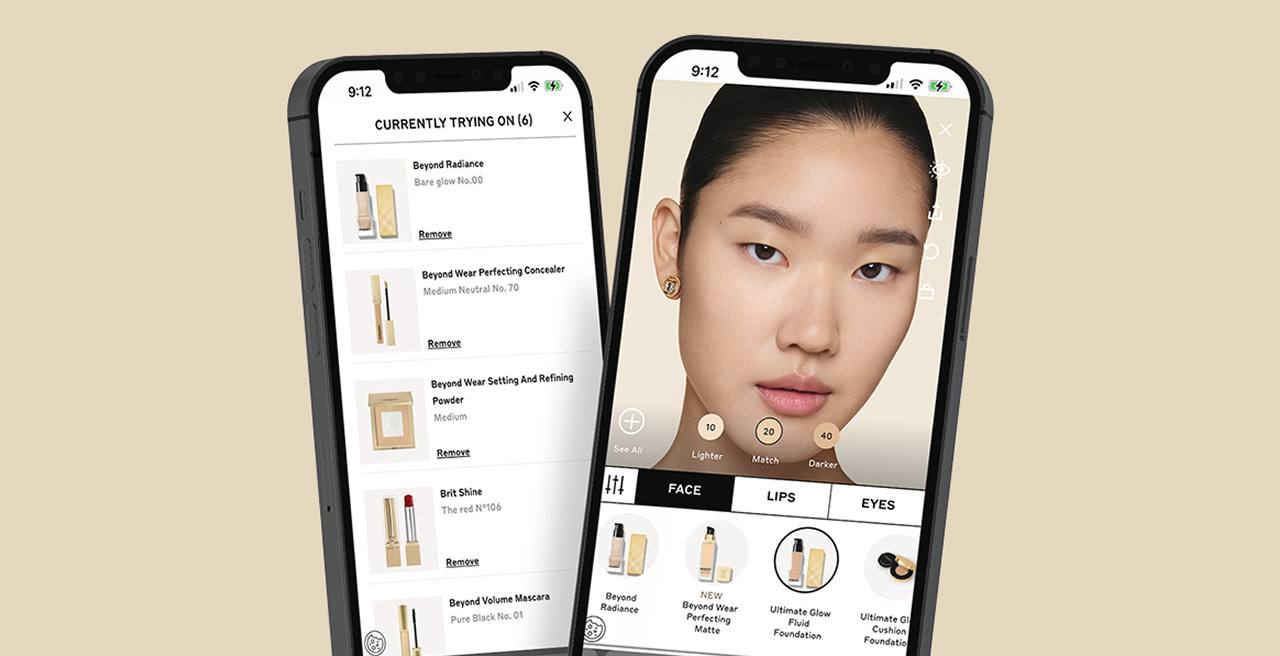
Burberry Beauty’s virtual makeup try-on tool — taken over, rebuilt, extended to stores, then run continuously with the markets and product teams.
The context
I joined the project to cover a maternity leave, with a narrow scope: marketing for Burberry Beauty’s virtual try-on tool, deployed across more than twenty markets. Fairly quickly, I was asked for a broader view. My profile — technical, marketing and production at once — made it possible to ask a question that had been left open: what did the tool really cost to maintain, to evolve and to extend with new features?
My role
I ran that cost analysis, then put forward several proposals for what came next. They led to the whole project being entrusted to me. Since then, I have owned it end to end: a complete rebuild of the site, onboarding new products at every launch, coordination with the markets and with the product teams. I run the project with full autonomy.
What it changed
The project went from a tool to be maintained, whose real cost was still to be established, to a product with an owner: a single point of contact who knows the technology, the markets and the catalogue, and connects them. The iPad version opened the tool to retail. Virtual try-on is no longer only an online experience: it also supports selling in store, with the constraints of the field — unreliable connectivity, limited offline mode. More than four years on, I still run it. That is probably the best measure of what the change of model brought.
What was delivered
The cost analysis that underpinned the new organisation, a complete rebuild of the virtual try-on site, an iPad version for stores, a process for onboarding new products at every launch, and regular coordination with the markets and product teams.
What remains
The most lasting projects do not always start with a brief. This one started as a cover role, and changed because an honest cost analysis opened a different conversation. It is also the longest project I have owned. It taught me that a tool lives far longer after delivery than during its build — and that this is where its real value is decided.